Talk
“Functional aesthetics” is a principle rooted in modernist design. The idea that form should follow function, and that beauty can emerge from purpose, has shaped everything from architecture to industrial design.
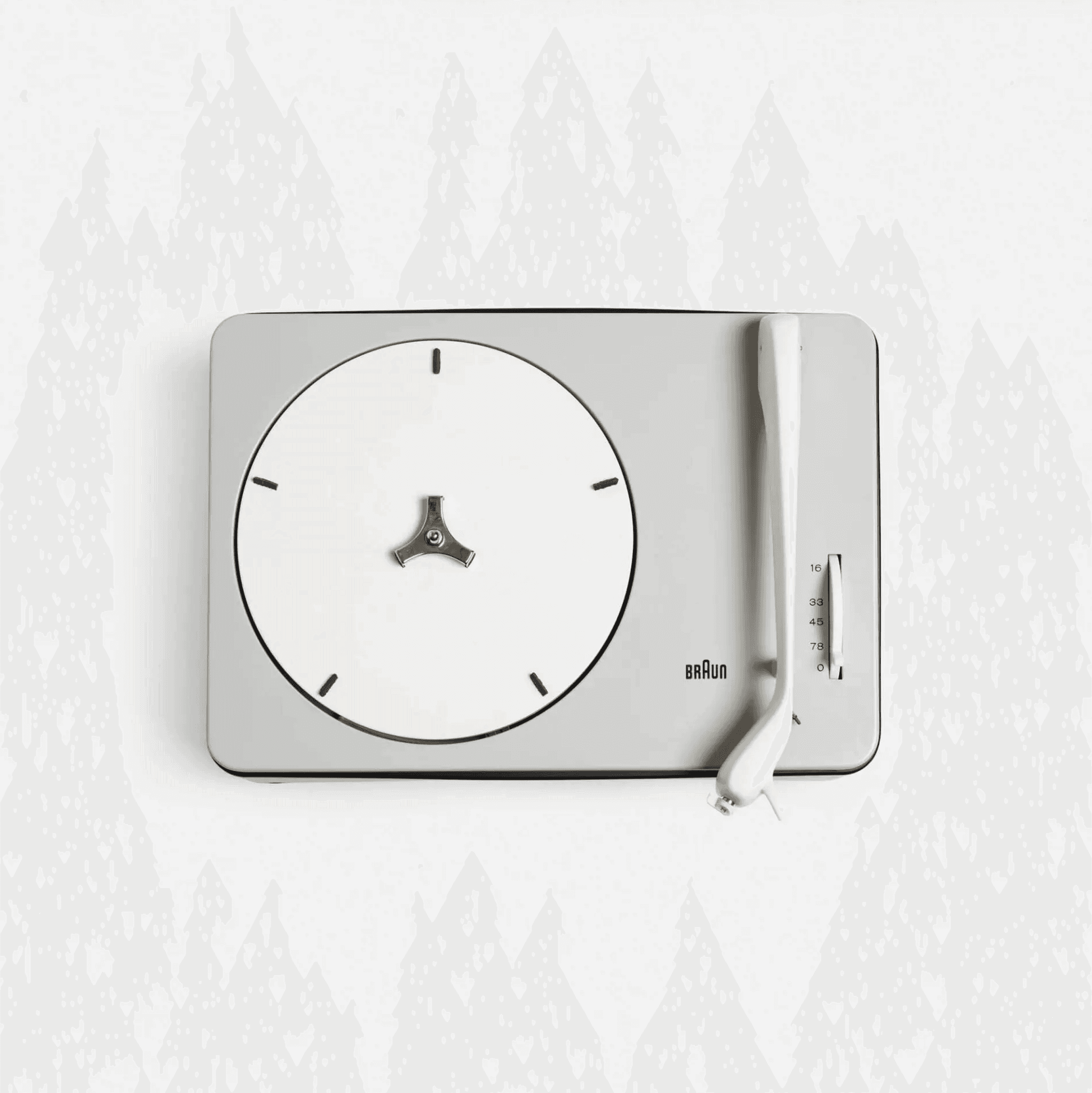
The Braun record player above, designed by Dieter Rams, is a perfect example: simple, precise, and timeless. It shows that when something works beautifully, it often looks beautiful too.
That same idea, that clarity itself can be beautiful, still holds true in digital design today. Design can’t just work. It also has to feel right.
Clarity comes first
Every great experience begins with understanding. Design must first make sense before it looks good. Structure, rhythm, and hierarchy create trust, they guide users without asking for attention.
Good design should disappear in use. It should help people achieve what they came for without distraction or confusion. When it’s clear, it becomes invisible and that invisibility is what makes it powerful.
Clarity is not the absence of style; it’s the foundation that allows style to feel effortless.
Craft as character
Craft is often mistaken for perfectionism, the final polish before delivery. But real craft begins much earlier. It’s the mindset of care that shapes every detail: how typography breathes, how motion feels, how spacing creates rhythm.
When every element is intentional, users may not notice the details consciously — but they feel them. That sense of care builds trust. It’s what gives design character without relying on ornamentation. Character isn’t about standing out; it’s about feeling right.
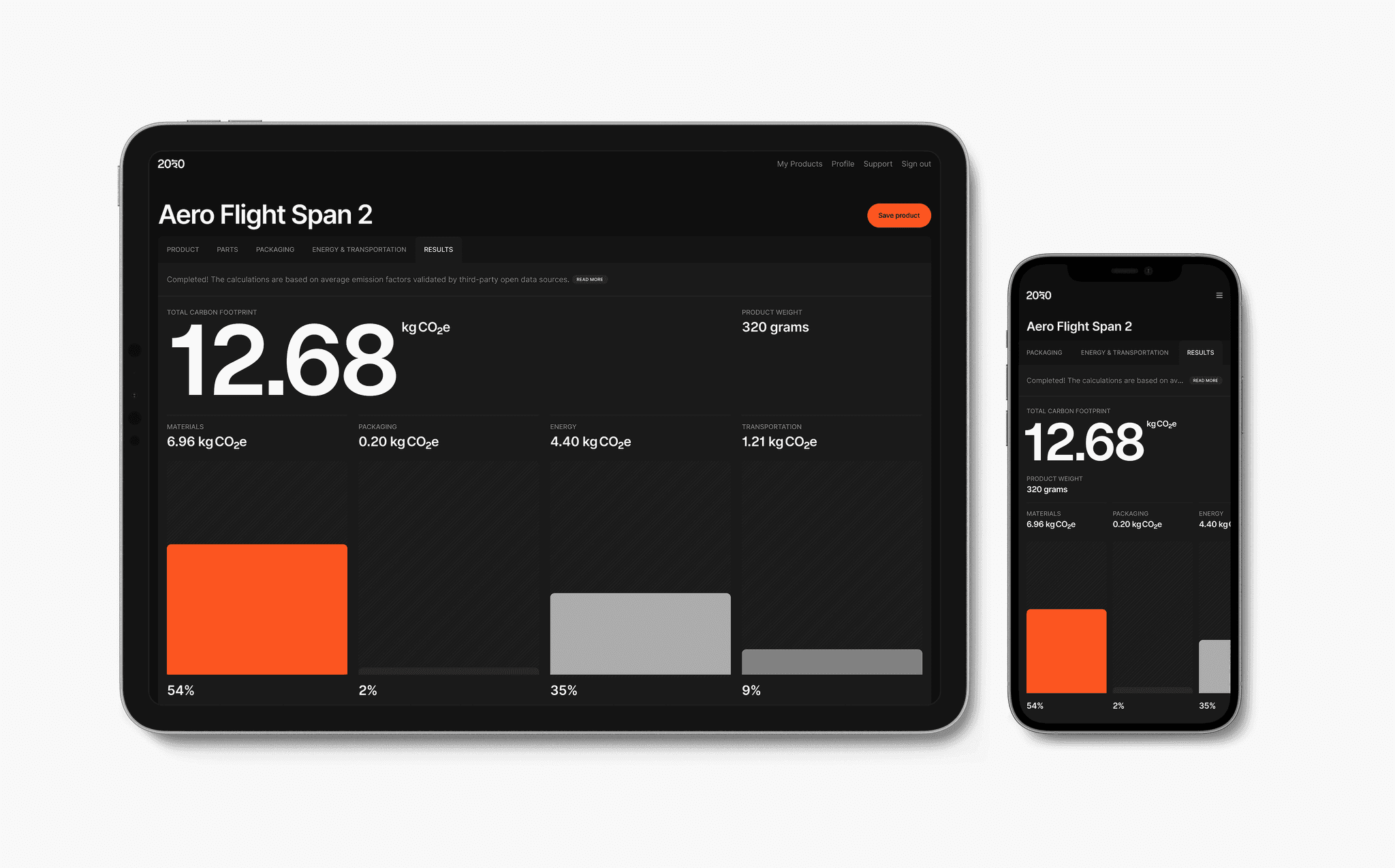
With the wind in our sails, our studio expanded its horizons. We worked with clients across diverse industries - from fashion and e-commerce to healthcare and education. Each project brought fresh challenges and opportunities to showcase our creativity and adaptability.
Emotion in restraint
We often equate emotion with expression — color, animation, personality. But emotion can also live in restraint. The calm rhythm of a layout, a thoughtful delay in a motion, or a subtle transition can all make an interface feel composed and alive.
In a landscape full of noise, confidence comes from control. Functional aesthetics values warmth and humanity, but with balance. It’s not sterile minimalism — it’s design that respects attention and communicates with precision.
"Good design feels inevitable - not because it’s obvious, but because it’s been cared for."
Designing beyond the screen
Functional aesthetics isn’t only visual — it’s systemic. It’s about understanding how individual parts connect across an experience. Users don’t think in features; they think in tasks.
When I design, I look beyond the single screen or product and ask: How does this fit into the broader workflow? Good design reduces friction not just in one step, but across the journey. It simplifies complexity through coherence.
Care is the real craft
What ties it all together is care.
Care for the user — to make their experience simple, intuitive, and human.
Care for your team — to collaborate clearly and document with intention.
Care for your own standards — to take pride in the invisible work that holds everything together.
Care is what transforms functional into effortless. It’s what makes clarity feel confident, and aesthetics feel honest.
17.10.2025
More Articles